If you drive in Vaughan, North York, or anywhere in the Greater Toronto Area (GTA), you’re no stranger to stop-and-go traffic. Whether it’s the morning commute on the DVP, navigating busy Yonge Street, or the constant ebb and flow of Highway 400, these driving conditions are a daily reality for many of us. While frustrating for your schedule, this kind of driving is also incredibly tough on your vehicle’s engine oil – and ultimately, your engine itself.
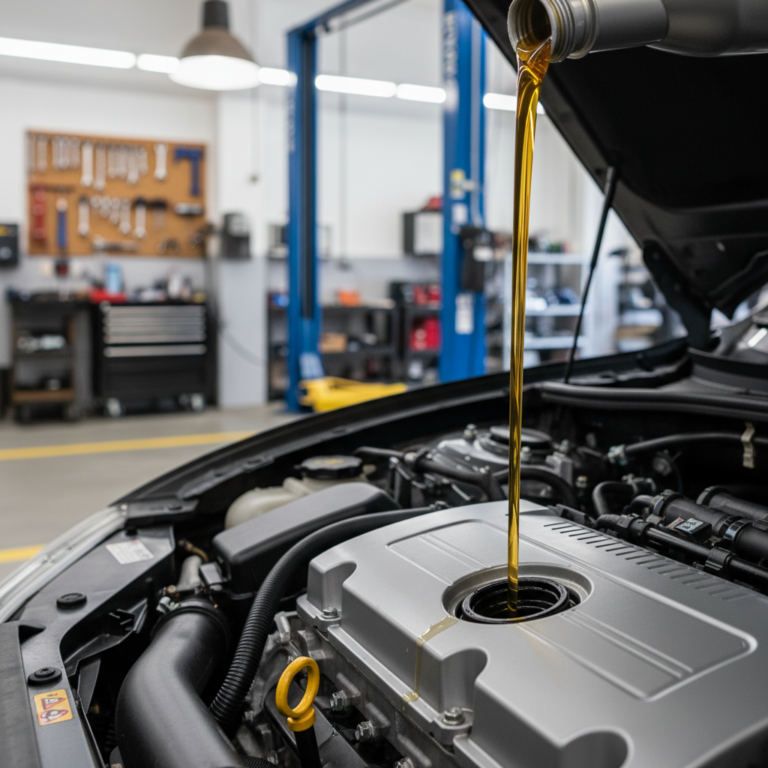
At Mr Memo Auto, we understand the unique challenges GTA drivers face. That’s why we’re breaking down how stop-and-go traffic impacts your engine’s lubrication and how often you should really be thinking about an oil change Vaughan drivers need to keep their vehicles running optimally.
The Impact of Stop-and-Go Traffic on Your Engine Oil
Unlike smooth highway cruising, stop-and-go driving subjects your engine oil to a gauntlet of stresses:
- Increased Temperatures: Frequent braking and accelerating, coupled with less airflow at low speeds, can cause engine temperatures to fluctuate rapidly and often run hotter. High heat accelerates the breakdown of oil’s protective additives.
- Shearing and Viscosity Loss: The constant change in engine RPMs, from idle to acceleration, puts immense stress on the oil’s molecular structure. This can cause the oil to “shear,” losing its ideal viscosity and its ability to properly lubricate moving parts.
- Contaminant Buildup: More time spent idling or at low speeds means less efficient combustion, leading to increased fuel dilution and moisture buildup in the oil. These contaminants form sludge and varnish, which can clog oil passages and reduce engine efficiency.
- Shorter Trip Lengths: Often, stop-and-go traffic accompanies shorter trips. If your engine doesn’t reach optimal operating temperature for long enough, moisture and harmful acids don’t evaporate, remaining in the oil and causing corrosion.
Traditional vs. Modern Oil Change Intervals: What’s Changed?
You might have heard the old adage: “change your oil every 3,000 miles or 3 months.” While this was a good rule of thumb for conventional oils and older engines, modern vehicles, advanced engine designs, and synthetic oils have extended these intervals significantly, often to 8,000-12,000 km or even more. However, these extended intervals usually come with a critical caveat: they apply under “normal” driving conditions.
Most manufacturers define “severe” or “heavy duty” driving conditions to include:
- Frequent short trips (less than 8 km)
- Driving in dusty conditions
- Towing or carrying heavy loads
- Extensive idling
- Driving in extreme temperatures (like Canadian winters or hot summers)
- Frequent stop-and-go driving
Sound familiar, Vaughan drivers? Your daily commute likely falls squarely into the “severe” category.
Factors Influencing Your Oil Change Frequency
Beyond stop-and-go traffic, consider these elements when determining your ideal oil change schedule:

- Oil Type:
- Conventional Oil: Breaks down faster under stress. More frequent changes are a must for GTA traffic.
- Synthetic Blend: Offers better protection than conventional but still has limitations.
- Full Synthetic Oil: Engineered to withstand higher temperatures and resist breakdown for longer. It’s often the best choice for severe driving conditions and Canadian winters, providing superior protection and potentially allowing for slightly extended intervals, even with heavy traffic.
- Vehicle Age & Manufacturer Recommendations: Always consult your owner’s manual. Newer vehicles often have oil life monitoring systems, but remember to interpret their readings in the context of your driving habits.
- Canadian Winters: Cold starts in sub-zero temperatures thicken oil, making it harder to circulate and increasing engine wear until it warms up. This added stress further justifies more frequent oil changes, especially if coupled with short trips.
How Often Should You Get an Oil Change in Vaughan?
Given the typical driving conditions in Vaughan, North York, and the GTA, we generally recommend erring on the side of caution. While your owner’s manual might suggest 10,000-15,000 km for “normal” driving, if your daily routine involves significant stop-and-go traffic, short trips, or heavy loads, you should consider shortening that interval.
For most drivers in the GTA experiencing severe conditions, a good guideline for an oil change Vaughan residents can trust is:
- Every 5,000 – 8,000 kilometres or every 3-6 months, whichever comes first.
This interval is particularly relevant if you’re using conventional or synthetic blend oils. If you’re using full synthetic oil, you might be able to push towards the higher end of this range, but it’s crucial to still monitor your oil’s condition and not solely rely on maximum manufacturer recommendations designed for ideal conditions. Regular checks of your oil level and appearance are also vital.
Why Choose Mr Memo Auto for Your Oil Change in North York & GTA?
At Mr Memo Auto, we don’t just change your oil; we provide a comprehensive service tailored to your vehicle and local driving conditions. Our certified technicians understand the demands placed on engines in the GTA, from the biting cold of Ontario winters to the relentless stop-and-go traffic.
We use high-quality oils and filters specifically chosen to protect your engine, offering conventional, synthetic blend, and full synthetic options. When you visit us for an oil change, we’ll also perform a multi-point inspection, ensuring other vital components are in good shape. Trust us to help you maintain your vehicle’s longevity and performance.
Visit Our Location
Find us easily and get directions to our automotive service center
Contact Information
Phone: (647) 501-6039
Address: 800 Arrow Rd, Unit 1, North York
Hours:
Mon to Fri: 7:30 AM – 5:00 PM
Saturday: 7:30 AM – 2:00 PM
Sunday: Closed
Book Now Get Directions