

As a driver in Vaughan, North York, or anywhere in the Greater Toronto Area (GTA), you know our weather can be unpredictable. From scorching summer heat waves to bone-chilling Canadian winters, your vehicle endures a wide range of conditions. That’s why understanding the unsung hero of your engine – engine oil – and specifically, its viscosity, is paramount. Choosing the correct oil change for your vehicle isn’t just about brand; it’s about the right oil viscosity grades.
What is Oil Viscosity and Why Does it Matter?
At its core, viscosity refers to a fluid’s resistance to flow. Think of honey versus water – honey has higher viscosity. For engine oil, this property is critical because it determines how well the oil flows through your engine’s intricate passages and how effectively it protects moving parts from friction and heat. If the oil is too thick, it won’t circulate properly, especially during cold starts. If it’s too thin, it won’t provide adequate protection at high temperatures and pressures.
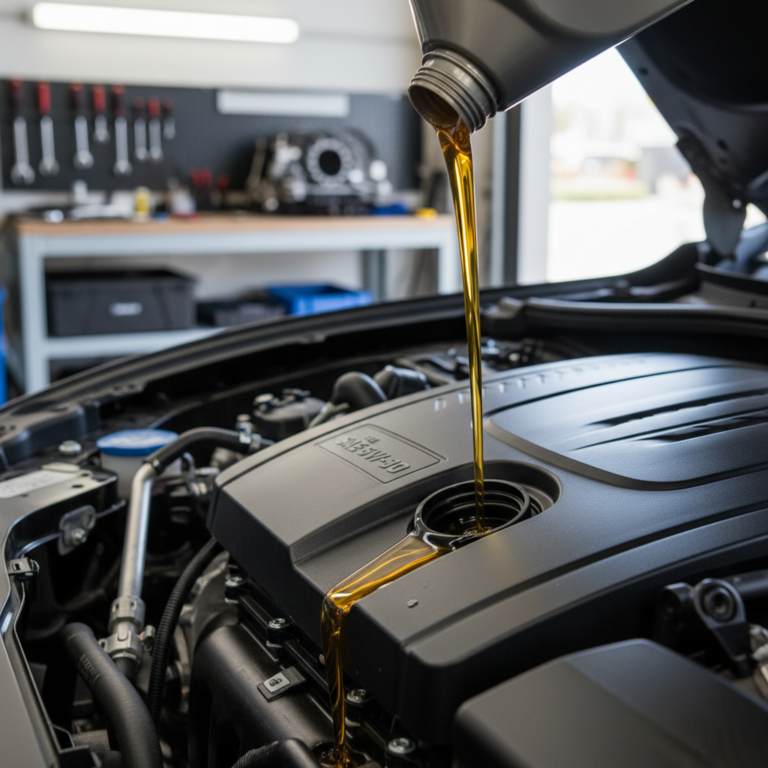
Engine oil uses a standardized system from the Society of Automotive Engineers (SAE) to define its viscosity grades. You’ve likely seen numbers like 5W-30 or 0W-20 on oil bottles. This is where oil viscosity grades come into play:
- The “W” (Winter) Number: The first number, followed by a ‘W’, indicates the oil’s viscosity at cold temperatures. A lower ‘W’ number (e.g., 0W vs. 5W) means the oil is thinner when cold, allowing for easier starting and faster lubrication during frigid GTA mornings.
- The Second Number: This number indicates the oil’s viscosity at normal operating temperatures (typically around 100°C). A higher second number means the oil maintains more body and protective film strength when the engine is hot.
Decoding Oil Viscosity Grades for GTA Weather
Canadian Winters: The “W” is Your Friend
Our GTA winters are no joke, with temperatures often plummeting well below freezing. When your engine starts in -10°C or -20°C, the oil needs to be thin enough to flow quickly and lubricate all critical components within seconds. If the oil is too thick (e.g., a 10W oil in extreme cold), it will struggle to circulate, leading to increased wear and tear on engine parts during those crucial first moments of operation. Modern engines, especially, benefit from lower ‘W’ numbers like 0W or 5W for optimal cold start protection and fuel efficiency in our climate.
Summer Heat and Stop-and-Go Traffic: The Second Number’s Role
Just as challenging as winter, GTA summers can push engine temperatures sky-high, especially with notorious traffic on the 401, DVP, and QEW. Under these conditions, engine oil needs to maintain its protective film to prevent metal-on-metal contact. If the oil becomes too thin when hot, it loses its ability to lubricate effectively, increasing friction, wear, and potentially leading to engine damage. The second number in the oil viscosity grades (e.g., the ’30’ in 5W-30) signifies its ability to perform under these hot, demanding conditions.

The All-Season Solution: Multi-Grade Oils
Thankfully, most modern vehicles in the GTA use multi-grade oils. These oils are formulated with special polymers that allow them to behave like a thinner oil when cold (for easy starting) and like a thicker oil when hot (for robust protection). This adaptability makes them ideal for the GTA’s dramatic seasonal temperature swings, offering a balance of cold-weather flow and hot-weather protection. Always refer to your vehicle’s owner’s manual for the manufacturer’s recommended oil viscosity grades, as these are tailored to your specific engine’s design and operating parameters.
Beyond Viscosity: Other Factors for GTA Drivers
While understanding oil viscosity grades is crucial, other factors also influence your oil choice:
- Synthetic vs. Conventional: Synthetic oils generally offer superior performance across a wider temperature range, making them an excellent choice for the GTA’s extremes. They flow better in cold, protect better in heat, and last longer.
- Driving Habits: Frequent short trips, common in urban areas like North York and Vaughan, can lead to moisture and contaminants building up in your oil. Heavy GTA traffic with constant stop-and-go driving puts more stress on your engine and oil.
- Vehicle Age and Type: Older engines might have different lubrication needs than newer, high-precision engines. Always follow your manufacturer’s specific recommendations, which often align with Ontario regulations for vehicle maintenance.
Don’t Guess, Trust the Experts at Mr Memo Auto
Choosing the right oil viscosity grades for your vehicle can seem complex, but it doesn’t have to be. Our certified technicians at Mr Memo Auto are experts in engine lubrication and understand the unique demands of driving in Vaughan, North York, and across the GTA. We’ll help you select the ideal oil viscosity grades and type of oil to ensure your engine receives the best possible protection, maximizing its lifespan and efficiency, regardless of the season.
For comprehensive oil change services tailored to your vehicle and our unique GTA climate, visit our oil change service page.
Ready for Your Next Oil Change?
Trust the experts at Mr Memo Auto in North York to keep your vehicle running smoothly. Our certified technicians use quality oils and filters suited for Canadian driving conditions.