
As a driver in Vaughan, North York, or anywhere across the Greater Toronto Area (GTA), you’re no stranger to your vehicle’s demanding routine. From navigating rush hour traffic on the 401 to battling the unpredictable Canadian winter, your engine works hard. One common observation that often raises questions is how quickly your engine oil seems to turn black after a fresh change. So, what’s the deal? Ever wondered why oil turns black so quickly?
At Mr Memo Auto, we believe in empowering our clients with knowledge. Understanding the science behind your engine’s oil can help you appreciate the importance of regular maintenance and ensure your vehicle’s longevity. Let’s delve into the reasons your oil changes colour and what it means for your engine.
The Primary Culprits: Why Oil Turns Black
Soot and Combustion Byproducts
The most significant reason why oil turns black is the accumulation of soot and other byproducts from the combustion process. Inside your engine’s cylinders, fuel is burned to create power. This process, while efficient, isn’t perfectly clean. It produces microscopic carbon particles (soot), unburnt fuel, and other contaminants. These particles are then picked up and suspended by your engine oil.
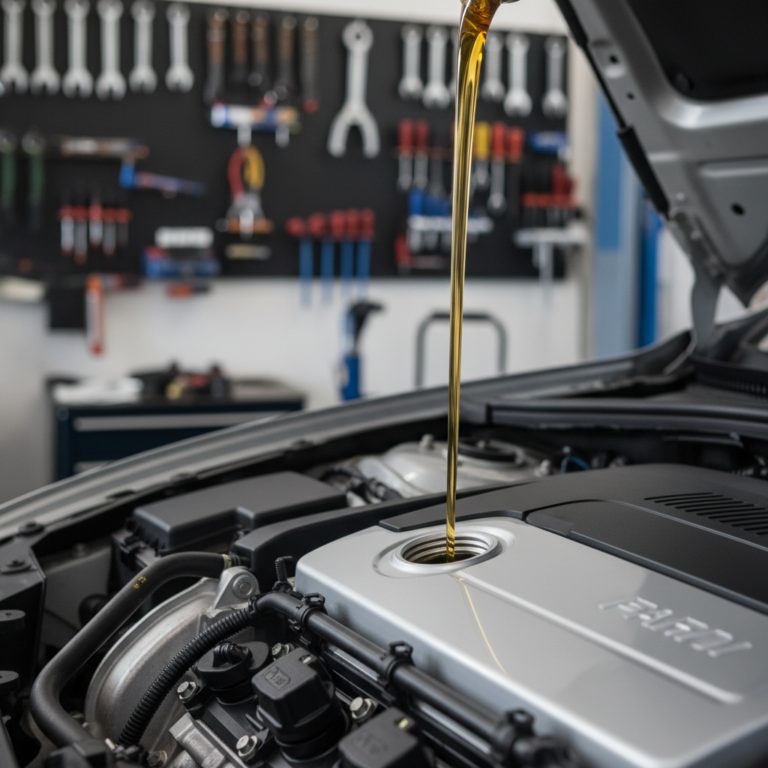
- Gasoline Engines: Produce carbon deposits and some soot.
- Diesel Engines: Generate a much higher volume of soot due to their combustion process, causing their oil to blacken almost immediately after a change.
Oxidation and Thermal Breakdown
Engine oil operates under extreme heat and pressure. Over time, and especially with high temperatures, the oil begins to oxidize. Oxidation is a chemical reaction where oxygen molecules break down the oil’s molecular structure, leading to the formation of sludge, varnish, and acidic compounds. This breakdown also contributes to the oil’s darkening. Stop-and-go traffic, common in the GTA, means more time spent idling and at lower speeds, leading to higher engine temperatures and accelerated oil breakdown.
Detergents and Dispersants: The Oil’s Unsung Heroes
Modern engine oils are not just lubricants; they are sophisticated chemical cocktails. They contain additives like detergents and dispersants specifically designed to clean your engine and keep contaminants in suspension. Detergents clean internal engine components, preventing deposits from forming, while dispersants hold these contaminants (like soot and sludge) in tiny particles, preventing them from clumping together and settling. So, if you’re asking yourself why oil turns black shortly after a change, often it’s because the oil is doing its job – actively cleaning your engine and holding harmful particles until your next oil change.
Engine Wear and Contaminants
As your engine runs, tiny metal particles from normal wear and tear can flake off and be picked up by the oil. Dust, dirt, and other environmental contaminants that bypass the air filter can also find their way into the oil system, further contributing to its dark colour. While your oil filter captures most of these larger particles, microscopic ones remain, adding to the oil’s darkening.

Local Factors Accelerating Oil Darkening in the GTA
Driving conditions unique to Vaughan, North York, and the wider GTA can significantly impact how quickly your oil darkens:
- Stop-and-Go Traffic: The infamous GTA traffic means frequent acceleration and braking, extended idling, and less time at optimal operating temperatures. This puts extra stress on your engine and oil, leading to increased heat, more combustion byproducts, and faster oil degradation.
- Canadian Winters & Extreme Temperatures: Our harsh Canadian winters involve cold starts, short trips where the engine doesn’t reach full operating temperature (preventing moisture evaporation), and extreme temperature fluctuations. These conditions can accelerate oil breakdown and contamination.
- Road Salt and Environmental Factors: While not directly darkening the oil, the presence of road salt and other environmental elements can contribute to the overall wear and tear on your vehicle, indirectly affecting oil quality over time.
Is Black Oil Always a Bad Sign?
Understanding why oil turns black is key to not overreacting. In most cases, oil turning black is a sign that it’s performing its intended function: cleaning your engine. A quick darkening, especially in diesel engines, is normal. However, there are nuances:
- Timing: If your oil turns pitch black almost immediately after a change and feels gritty or smells burnt, it could indicate an underlying issue, such as excessive carbon buildup or a failing component.
- Consistency: Healthy oil, even when black, should still feel slippery. If it feels thin, watery, or excessively gritty, it’s a strong indicator that it’s time for a change, or worse, there might be a more serious problem.
The best practice is always to follow your vehicle manufacturer’s recommended oil change intervals, typically found in your owner’s manual. These recommendations are designed to ensure your oil is replaced before it loses its protective properties.
The Mr Memo Auto Solution: Keeping Your Engine Clean
Regular oil changes are the single most important maintenance task you can perform to extend the life of your engine. Given the demanding driving conditions in the GTA, adhering to a consistent oil change schedule is even more critical. At Mr Memo Auto, we offer comprehensive oil change solutions tailored to your vehicle’s needs, whether it requires conventional, synthetic blend, or full synthetic oil.
Our certified technicians use only high-quality oils and filters designed to meet or exceed manufacturer specifications, ensuring your engine gets the protection it deserves. We understand the nuances of Canadian driving and the specific requirements of vehicles operating in Ontario. Don’t wait until your oil is dangerously dirty; proactive maintenance saves you money and headaches in the long run.
Ready for Your Next Oil Change?
Trust the experts at Mr Memo Auto in North York to keep your vehicle running smoothly. Our certified technicians use quality oils and filters suited for Canadian driving conditions.