
For drivers across Vaughan, North York, and the wider Greater Toronto Area, understanding your vehicle’s maintenance needs is key to its longevity and performance. One of the most fundamental services is the oil change, but if you’ve ever wondered about the differences between a diesel vs gas oil change, you’re not alone. While both involve replacing old engine oil with new, the specifics – from the type of oil to the service intervals – can vary significantly. At Mr Memo Auto, we’re here to demystify these differences and ensure your engine gets the precise care it needs.
The Core Difference: How Diesel and Gas Engines Operate
The fundamental distinction between diesel and gasoline engines lies in their combustion process. Gasoline engines use spark plugs to ignite a mixture of fuel and air. Diesel engines, on the other hand, rely on compression. Air is compressed to such a high degree that it becomes hot enough to ignite the diesel fuel injected into it. This higher compression, combined with the combustion characteristics of diesel fuel, leads to different demands on the engine oil.
Engine Oil: Not All Oils Are Created Equal
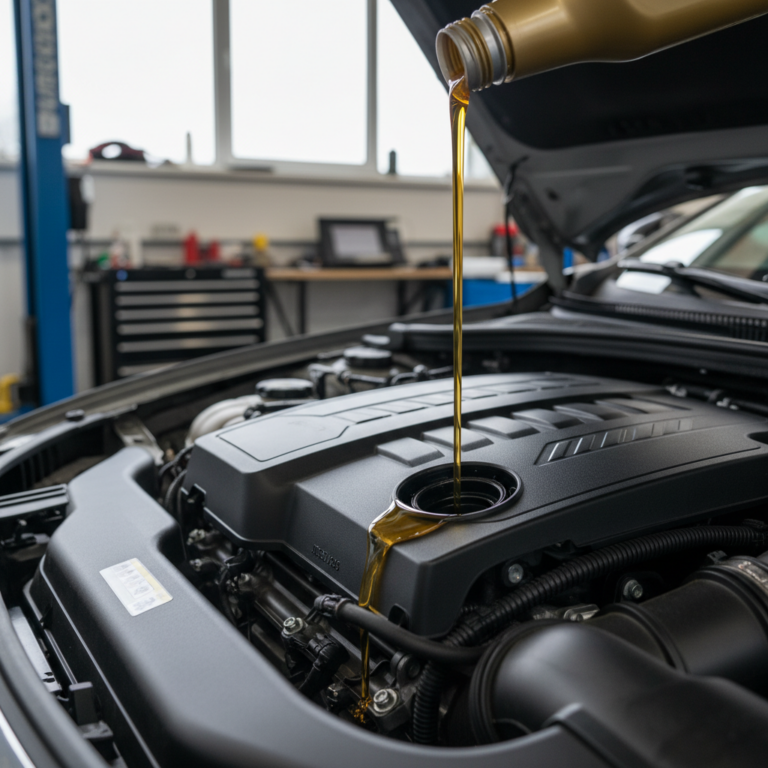
Just as you wouldn’t put diesel fuel in a gas car, you shouldn’t put gas engine oil in a diesel vehicle, and vice versa. Engine oils are formulated with specific additive packages designed to combat the unique byproducts and operating conditions of each engine type.
Gas Engine Oil
Gasoline engine oils are typically formulated to address issues like sludge formation from stop-and-go GTA traffic, high-temperature oxidation, and wear protection for components under less extreme pressure than diesel engines. They carry classifications like API SN or SP, indicating their performance standards for gasoline engines. Whether conventional, synthetic blend, or full synthetic, these oils focus on maintaining engine cleanliness, reducing friction, and ensuring thermal stability.
Diesel Engine Oil
Diesel engine oils are built to withstand much harsher conditions. They feature robust additive packages to handle higher levels of soot, acid buildup (from the combustion of sulfur in diesel fuel, even low-sulfur variants), and extreme pressure. Look for classifications like API CK-4 or FA-4, which signify their suitability for modern diesel engines, including those with Diesel Particulate Filters (DPF) that are crucial for meeting Ontario’s emissions standards. These oils excel at dispersing soot, neutralizing acids, and providing superior wear protection under high compression and heat.
Diesel vs Gas Oil Change Intervals: What Drives the Schedule?
The recommended interval for a diesel vs gas oil change is another key area of difference, though both are heavily influenced by driving conditions and manufacturer specifications.
Factors for Gas Vehicles
For most gasoline vehicles driven in the GTA, manufacturer recommendations typically range from 5,000 km to 12,000 km, or every 6-12 months. However, Canadian winters, frequent short trips, and the notorious stop-and-go traffic in North York and Vaughan can be classified as “severe driving conditions.” These factors put extra stress on the oil, leading to faster degradation and potentially warranting more frequent changes. Using full synthetic oil can often extend these intervals, but always consult your vehicle’s owner’s manual and your trusted mechanic.
Factors for Diesel Vehicles
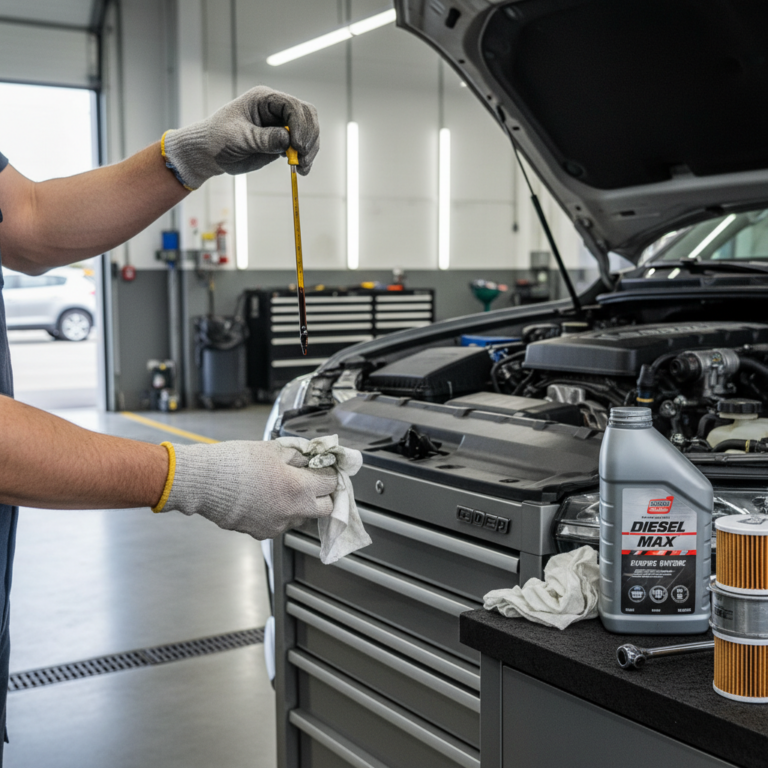
Diesel vehicles often have longer oil change intervals than their gasoline counterparts, sometimes ranging from 10,000 km to 25,000 km, or annually. This is partly due to the larger oil capacities and the robust nature of diesel engine oils. However, like gas engines, diesel oil change intervals are significantly affected by usage. Heavy towing, prolonged idling (common for commercial vehicles in urban settings), and consistent heavy loads can accelerate oil degradation due to increased soot accumulation and heat. Regular monitoring and adherence to specific manufacturer guidelines are paramount for diesel engines, especially considering the higher cost of diesel-specific oils and filters.
Why Regular Oil Changes Matter for Your GTA Vehicle
Regardless of whether you drive a gasoline or diesel vehicle, timely oil changes are non-negotiable for engine health. Clean, fresh oil lubricates moving parts, dissipates heat, cleans the engine, and protects against corrosion. Neglecting this vital service can lead to premature engine wear, reduced fuel efficiency, decreased performance, and ultimately, costly repairs – something no driver in Vaughan or North York wants to face, especially with the demands of daily commuting and challenging weather.
At Mr Memo Auto, our certified technicians are experts in both oil change services, understanding the nuances of a diesel vs gas oil change. We use only high-quality, manufacturer-approved oils and filters, ensuring your vehicle receives the precise care it needs to perform optimally in all Canadian conditions, from freezing winters to busy summer traffic.
Ready for Your Next Oil Change?
Trust the experts at Mr Memo Auto in North York to keep your vehicle running smoothly. Our certified technicians use quality oils and filters suited for Canadian driving conditions.