

As residents of Vaughan, North York, and the Greater Toronto Area, we’re no strangers to the bite of an Ontario winter. While we bundle up and prepare our homes, it’s just as crucial to ensure our vehicles are ready to face the extreme cold. One of the most overlooked components affected by plummeting temperatures is your engine oil. Understanding how cold weather engine oil Ontario conditions impact your vehicle is key to preventing wear and ensuring reliable starts.
The Science of Cold and Your Engine Oil
Engine oil is your engine’s lifeblood, performing several vital functions: lubricating moving parts, cooling, cleaning, and protecting against corrosion. However, its properties change dramatically with temperature fluctuations.
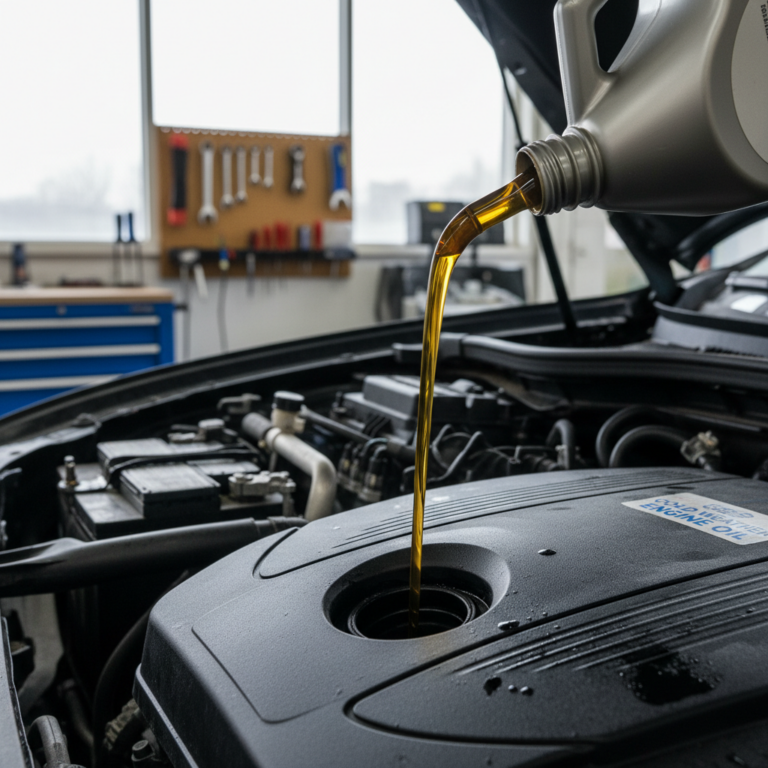
Viscosity: The Key Factor
Viscosity is a fluid’s resistance to flow. Think of honey versus water – honey has higher viscosity. Engine oil is designed to have a specific viscosity at operating temperatures, but when temperatures drop, oil thickens significantly. This thickening has several negative consequences:
- Reduced Flow: Thick oil doesn’t flow as easily, especially during a cold start. It takes longer for the oil to reach critical engine components, leading to increased friction and wear in those crucial first few seconds of operation.
- Increased Strain on the Battery: A thicker oil means the starter motor has to work harder to turn the engine over, putting extra strain on your battery – a common cause of winter breakdowns in the GTA.
- Poor Fuel Economy: When oil is too thick, the engine has to expend more energy to move its parts, leading to reduced fuel efficiency, especially during shorter commutes typical in North York and Vaughan.
Common Problems Caused by Inadequate Cold Weather Engine Oil Ontario
Ignoring the impact of our harsh Canadian winters on your engine oil can lead to a host of problems:
- Hard Starting: One of the most immediate signs is your car struggling to start, or not starting at all. This is often due to the combined effect of a weakened battery and overly viscous oil.
- Increased Engine Wear: The period right after a cold start, before the oil fully circulates, is when most engine wear occurs. If your oil isn’t designed for cold temperatures, this wear accelerates significantly, shortening your engine’s lifespan.
- Sludge Formation: Repeated short trips in cold weather, common in stop-and-go GTA traffic, prevent the engine from reaching optimal operating temperature. This can lead to condensation and fuel dilution in the oil, promoting sludge formation, which further hinders lubrication.
Choosing the Right Oil for Ontario Winters
So, what’s the solution? It comes down to selecting the correct engine oil, specifically formulated for the extreme cold we experience. This is where multi-grade oils shine.

Understanding Oil Grades (e.g., 5W-30)
You’ve likely seen numbers like “5W-30” on oil containers. Here’s what they mean:
- The “W” (Winter): The number before the ‘W’ indicates the oil’s viscosity at cold temperatures. A lower number (e.g., 0W or 5W) means the oil is thinner at cold temperatures and flows more easily, providing better protection during cold starts.
- The Second Number: The number after the ‘W’ indicates the oil’s viscosity at normal operating temperatures (100°C). This ensures adequate protection once the engine warms up.
For most vehicles operating in Ontario’s winter, an oil with a lower ‘W’ rating (like 0W or 5W) is highly recommended. Always consult your vehicle’s owner’s manual for the manufacturer’s recommended oil viscosity.
Conventional vs. Synthetic Oil for Cold Weather
- Conventional Oil: While more affordable, conventional oils tend to thicken more dramatically in the cold and have a higher “pour point” (the temperature at which they become too thick to flow).
- Synthetic Oil: Synthetic oils are engineered to maintain their viscosity across a wider temperature range. They flow much better in extreme cold, offering superior protection during cold starts and reducing strain on your engine. For drivers in Vaughan, North York, and the GTA facing consistent sub-zero temperatures, synthetic oil is often the best choice for optimal engine health and performance.
Why Professional Oil Changes Matter for Cold Weather Engine Oil Ontario
While understanding oil types is helpful, the most effective way to ensure your vehicle is prepared for winter is through professional maintenance. At Mr Memo Auto, our certified technicians understand the specific demands of Canadian winters and the importance of proper cold weather engine oil Ontario selection.
We don’t just change your oil; we ensure your vehicle receives the correct type and grade of oil, along with a high-quality filter, tailored to your car’s make, model, and the local driving conditions. For professional oil change services that keep your engine protected all year round, especially during our harsh winters, trust the experts.
Ready for Your Next Oil Change?
Trust the experts at Mr Memo Auto in North York to keep your vehicle running smoothly. Our certified technicians use quality oils and filters suited for Canadian driving conditions.
Visit Our Location
Find us easily and get directions to our automotive service center
Contact Information
Phone: (647) 501-6039
Address: 800 Arrow Rd, Unit 1, North York
Hours:
Mon to Fri: 7.30AM to 5PM
Saturday: 7.30AM to 2PM
Sunday: Closed